From First Dig to First Swim: How a New Pool Gets Installed
A new pool looks like a mess for a while before it looks like a pool, so here is the order of work and why each step matters.
October 17, 2026 · 4 min read
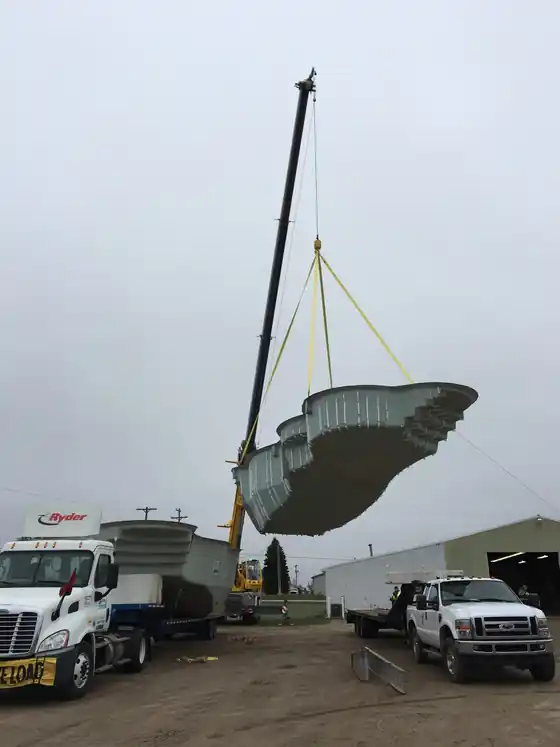
The first week of a pool project can be a surprise. A clean backyard turns into a hole, a pile of dirt and a lot of heavy equipment, and it can feel like nothing resembles a pool yet. That's normal. A pool is built in a sequence, and every step sets up the next one. Here's the general order of work for a pool installation, and how it connects to the services Poolside, Inc. lists for homeowners around Traverse City.
Planning comes before the machines
Before anyone digs, the pool type, the shape and the exact spot on your property get settled. That's what the free consultation and information packet are for. It's also when the practical questions get answered: where the equipment will sit, where the water will come from, how the crew and trucks reach the yard, and what will happen to your lawn, landscaping and any fencing along the way. Ask about all of it up front. Surprises in the backyard are cheaper to solve on paper.
Excavation and property preparation
Next comes the dig. Poolside lists complete excavation services and total property preparation as part of its pool work, and that matters more than it sounds. The hole has to be the right size and depth for the specific pool, and the ground in the bottom needs to be prepared so whatever goes in sits level and supported. A pool that's set on poorly prepared ground can shift later, and that's a hard problem to fix once the water is in.
Doing the excavation with the same company that installs the pool also keeps everyone on the same page. The crew digging the hole knows exactly what the pool needs, because they're the ones setting it.
Setting the shell, panels or forms
What happens next depends on the type of pool. A fiberglass pool arrives on a truck as a single shell, and a crane lifts it off and lowers it into the excavation. It's a careful job, with people guiding the shell down while the operator keeps it steady, and then the shell is checked for level and backfilled around its sides. A vinyl pool goes together from a wall structure assembled on a prepared base, with the liner fitted afterward. A concrete pool is formed and finished on site.
Whichever type it is, the goal at this stage is the same: a pool that sits true and square, with plumbing connections in the right places before anything gets buried or covered.
Filling the pool
Once the pool is set and the plumbing is ready, it needs water. Poolside's vinyl pool page mentions a full-tank truck for water as part of the service, so the water is part of the job instead of something you have to sort out yourself. Filling a pool is slow and needs watching, because the level has to rise evenly and the surrounding work has to keep pace with it.
Deck, flat work and filtration
A pool without a deck is just a hole with water in it. Around the edge goes the coping and the deck: concrete, stamped concrete, or whatever surface was planned. Poolside's concrete pool page says the company handles the entire process, from excavation and installation through flat work and filtration systems, and that they build the pool deck themselves. That's a real convenience, since the deck, the plumbing and the equipment all have to line up.
The filtration system is the part you'll rarely see but depend on every day. The pump, filter and any heater or sanitizing equipment are connected and tested, and this is a good moment to have someone walk you through how it all works. Poolside's supplies page lists heating units, water pumps, filtration systems, lighting systems, skimmers, chemical sanitizers and UV sanitizers, so the equipment side can be handled in the same place.
The first swim comes after the checks
The last stretch is about balance and testing. The water needs to be treated and tested, the equipment run and checked, and any open questions answered before the pool is ready for people. This is where a new owner learns the most, so ask for a walk-through of the basics: how to read the equipment, what to test for, and who to call. One reviewer on Google wrote that after her installation she called Poolside for help with chemicals and that their service manager, Curtis, talked her through it and checked back with her several times in the following weeks.
What to expect from the process
- A plan first: type of pool, location on the lot, access for equipment, and what happens to your yard.
- Digging and ground preparation done to match the specific pool being installed.
- The pool itself set, assembled or formed, with plumbing in place.
- Water delivered by truck, and filling watched until the pool is full.
- Deck, flat work and filtration finished and tested, then a walk-through before you swim.
Every yard is different, so don't expect a one-size schedule, and be wary of anyone who gives you one before they've seen your property. A builder who walks the lot with you can tell you what your project will actually involve.
Talk it through with the crew
If you're thinking about a new pool, the dig is the part most people can't picture. Poolside does excavation as its own line of work too, including removing an existing pool, as described on the /excavation-services page. A conversation costs nothing. Call (231) 943-7061 or book a free consultation, and ask them to walk you through the steps for your yard.
Poolside, Inc., (231) 943-7061
Call (231) 943-7061More articles
Fiberglass, Vinyl or Concrete: Choosing a Pool for a Northern Michigan Yard
Every pool conversation comes back to what the pool is made of, so here is how the three main types differ before you sit down with a builder.
Closing Your Pool Before a Traverse City Winter
A good closing in the fall makes opening day in spring far easier, and the details are worth getting right.